In the lush heart of the Caribbean lies an island where music meets mourning, and death is not only mourned but celebrated with food, folklore, and community. In Jamaica, when a loved one passes on, the story doesn’t end at the funeral—it begins at the Nine Night.
Nine Night, also known as Dead Yard or Set-Up, is a centuries-old Afro-Caribbean tradition rooted in spiritual resilience, communal healing, and ancestral reverence. It’s not merely a cultural event—it is an echo of Africa, a celebration of transition, a sacred rite that transforms grief into ritual, and mourning into music. As Jamaica modernizes, the Nine Night persists—shaped by history, tempered by colonialism, and reimagined through generations.
Origins in Africa: Where the Spirit Journeys
To understand Nine Night, we must return to the shores of West Africa, the ancestral homeland of many Jamaicans. Among groups like the Akan of Ghana and the Yoruba of Nigeria, funeral rites were extensive, sacred, and spiritual. These rituals believed that the spirit of the deceased lingered among the living for several days before fully transitioning to the ancestral realm.
Africans brought to Jamaica as enslaved people carried these beliefs across the Middle Passage. Despite the brutality of slavery, these traditions endured—encoded in folk memory, oral history, and clandestine ceremonies held deep in the night. Over time, they evolved into what we now know as Nine Night, adapting to the Jamaican landscape but always echoing African cosmology.
Nine Night represents the ninth evening after a person’s death, when it’s believed the spirit (or duppy) completes its journey. But the days leading up to that night are filled with ritual: prayer, song, food, storytelling, and watchful waiting.
Colonial Suppression and Christian Influence
During slavery and into colonial times, European authorities viewed African customs with suspicion and hostility. Nine Night, with its drumming, dancing, and spiritual invocation, was often targeted by plantation owners and Christian missionaries alike.
Yet the tradition was resilient. As Christianity spread across Jamaica—particularly through Baptist, Methodist, and Anglican denominations—Nine Night absorbed new elements. Psalms were recited alongside revival songs, and biblical references merged with African spirit beliefs. Even today, one might hear both “The Lord is my Shepherd…” and the ring of kumina drums in the same backyard.
This fusion reflects the heart of Jamaican spirituality—a hybrid faith born of resistance. Christianity gave a structure to grief, but African cosmology kept the spirit of the dead alive in the consciousness of the community.
The Nine Nights: What Happens and Why
Traditionally, Nine Night begins on the evening of the death and continues nightly until the ninth evening, culminating in a grand gathering. Some communities today only observe the “set-up” on the final night, but in rural Jamaica, especially among older generations, all nine evenings may still be honored.
Key Elements of a Traditional Nine Night:
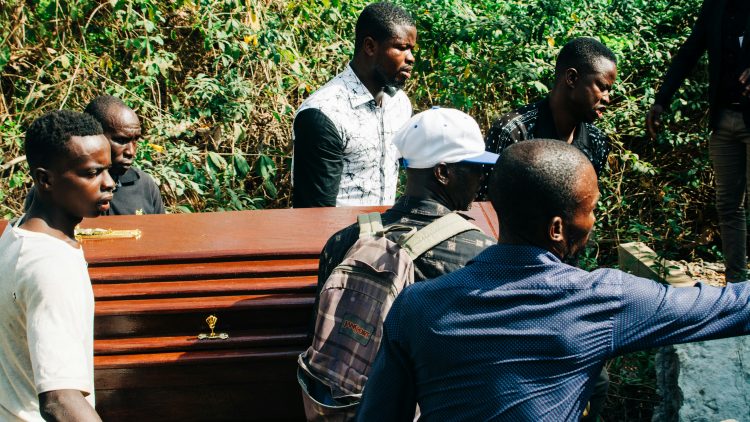
- Gathering: Friends, family, and neighbors assemble at the home of the deceased to support the bereaved and keep vigil.
- Food & Drink: Meals such as fried fish, bammy, mannish water, soup, rice and peas, and boiled dumplings are served. White rum, both sacred and social, flows freely.
- Music & Hymns: Revival songs, mento music, and even sound systems are part of the celebration. This blend of somber hymns and jubilant rhythms reflects the dual purpose—mourning and rejoicing.
- Storytelling: Elders recount stories of the deceased’s life—funny, heroic, tragic, or mischievous. In doing so, memory is kept alive and the community connects across generations.
- Prayers & Psalms: Recitations from the Bible—especially Psalm 23 and Psalm 91—are central. Some households hire a pastor or prayer warrior to guide the spiritual side of the event.
- Spirit Rituals: Salt may be sprinkled at doorways, mirrors covered, and beds left untouched to help guide the duppy away. These practices blend Christian and African spiritual logics, quietly passed from grandparent to child.
On the ninth night, chairs may be turned upside down, or placed in specific corners, symbolizing the end of the spirit’s time among the living. It is believed that on this night, the soul is finally at peace—or, if wronged in life, may still roam.
The Duppy and the Dead Yard: Ghosts in Jamaican Lore
Central to Nine Night is the concept of the duppy—a spirit that can either protect or torment. Jamaican folklore is rich with duppy stories: some hilarious, others terrifying. The Nine Night acts as a spiritual firewall, ensuring that the dead do not become angry spirits, and that the living stay protected.
Candles may be lit at strategic corners of the yard, and certain plants like leaf of life or cerassee are used to “wash off” bad energy. If someone died suddenly or under suspicious circumstances, the rituals take on even more importance. Old-timers often say: “You cyaah bury a soul. Yuh haffi put them to rest.”
In this way, Nine Night is not just about death. It’s about justice, reconciliation, and setting the soul free.
From Rural Tradition to Urban Revival
As Jamaica urbanized in the 20th century, and as funeral homes took over much of the burial process, Nine Night shifted. In Kingston, Montego Bay, and other urban centers, people began holding one-night versions of the Nine Night, often just before the funeral.
Some families rent tents and chairs, hire caterers, even bring in selectors to play old-school dancehall and gospel. Nine Night becomes a social affair—part solemnity, part party. This evolution has sparked debate: Is it still spiritual? Or is it now entertainment?
Yet despite modernization, the heart of Nine Night endures: gathering, remembering, praying, and releasing.
Nine Night in the Jamaican Diaspora
In cities like London, Toronto, Miami, and New York—where the Jamaican diaspora is strong—Nine Nights continue in backyards, community centres, and rented halls. Immigrants use these gatherings not only to honor loved ones but to recreate the communal warmth of home.
In the UK, where cold weather and tighter spaces limit open-air gatherings, Nine Night may take place in churches or banquet halls. But the symbols remain: salt fish, fried dumpling, a Bible on the table, a bottle of white rum in the corner.
Even in foreign lands, Jamaicans know: the dead must be honored with music, food, and community. In this way, Nine Night becomes a bridge between generations and geographies—a ritual that travels with the people.
Modern Challenges and Cultural Preservation
Today, younger Jamaicans sometimes question the purpose of Nine Night. In an era of cremations, online memorials, and minimalistic mourning, does Nine Night still have a place?
The answer, many elders say, is yes—but it must be understood. When the rituals are explained, when the stories are shared, young people begin to see Nine Night not as superstition, but as sacred heritage.
Organizations like the Institute of Jamaica, universities, and cultural historians have begun documenting these customs, ensuring their preservation. Writers, filmmakers, and musicians continue to weave Nine Night into their work—acknowledging its role in shaping Jamaican identity.
And importantly, many funeral homes now offer Nine Night packages—merging tradition with modern convenience, while still honoring cultural roots.
Why It Matters: Grief, Belonging, and the Sacred Ordinary
In a world where death is often hidden or hurried, Nine Night teaches something profound: grief needs space. Healing requires community. And every life deserves to be remembered with laughter, prayer, and song.
Nine Night is not just a Jamaican funeral tradition—it is a social theology. A living tapestry of resistance, family, and African remembrance stitched into the very fabric of Jamaican life.
As the old proverb says, “Memba di dead, an yuh haffi memba yuhself.”
Final Reflections
Nine Night is one of Jamaica’s great cultural legacies—a ritual that has survived slavery, colonization, modernization, and migration. It’s a reminder that death is not only an ending, but a return: to roots, to memory, to spirit.
Whether in a backyard in Spanish Town, a church hall in Brixton, or a small house in Portmore, the lamps of Nine Night continue to burn. They light the path for the departed and illuminate the hearts of the living.
As Jamaica grows and evolves, may we never lose the rhythm, reverence, and resilience of this sacred tradition.